
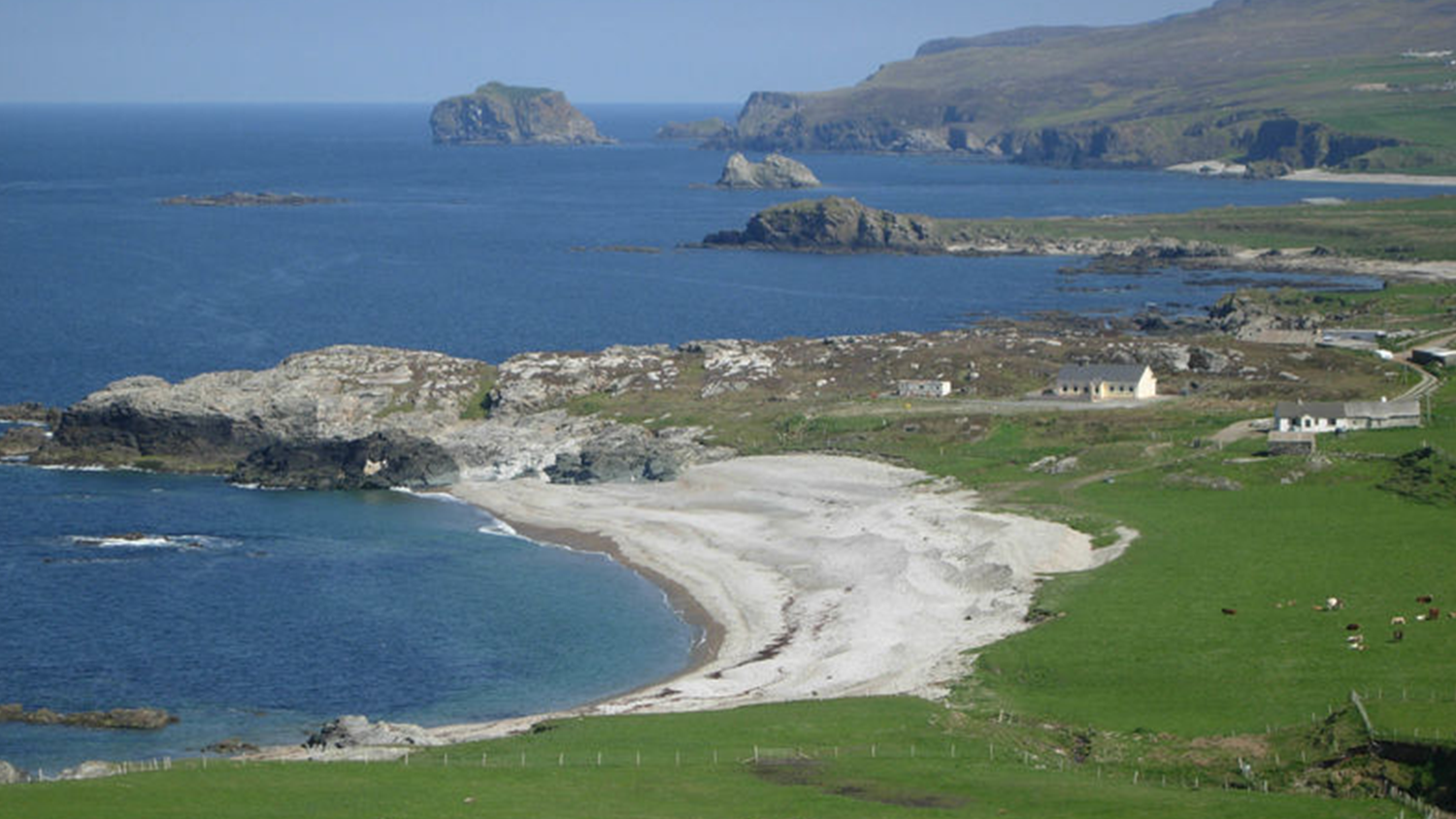
The best Ireland itinerary examples do not try to race around the whole island. Ireland rewards travellers who leave room for a coastal detour, a proper lunch in a small town, and the unplanned stop that becomes the story you tell at home. Whether you have three days or two weeks, a well-shaped road trip gives you famous sights without turning every day into a long drive.
For most visitors, the choice comes down to pace and region. A short holiday is best spent concentrating on one coast or one corner of the island. With a week or more, you can link regions together while still allowing time to enjoy them. The routes below are designed for independent travellers who want the freedom of the car, with a realistic sense of distance and enough flexibility to follow the weather.
Ireland itinerary examples by trip length
A 3-day Dublin, Wicklow and Kilkenny itinerary
This is an excellent first Irish road trip for travellers landing in Dublin who would rather see countryside than spend their entire break changing hotels. Collect your hire car after your time in the city, then head south into County Wicklow, often called the Garden of Ireland.
On day one, travel through the Wicklow Mountains towards Glendalough. The early Christian monastic settlement, its round tower and the two lakes make this a memorable introduction to Irish landscape and history. Continue through the mountain roads at an unhurried pace, stopping at viewpoints where conditions allow, before overnighting in or near Kilkenny.
Give day two to Kilkenny’s medieval centre. Kilkenny Castle, the narrow streets around the old town and the River Nore are all easy to enjoy on foot. If historic houses and gardens appeal, you can add a nearby country estate; if not, linger over a good meal and make it a lighter day.
On day three, return to Dublin via the quieter roads of County Carlow or follow the coast north from Wicklow town. This route works especially well for a long weekend because driving times stay manageable. The trade-off is that it offers a taste of Ireland’s scenery rather than the big Atlantic drama of the west.
A 5-day Ring of Kerry and Dingle itinerary
Five days in the south-west gives you a strong mix of mountain passes, fishing villages, beaches and heritage. Start in Killarney, which is a practical base with plenty of accommodation, restaurants and access to Killarney National Park. Spend your first day around the lakes, Muckross and the Gap of Dunloe area. Roads here can be narrow and busy in summer, so an early start makes a real difference.
The second day is for the Ring of Kerry. The full circuit has far more than can be absorbed in one hurried sweep, so choose a handful of stops rather than attempting every signed viewpoint. Ladies View, the villages of Sneem and Waterville, and the Skellig Ring are all worthy options. The Skellig Ring adds time, but its clifftop views and quieter feel often make it the highlight.
Move to Dingle for nights three and four. The town itself is lively without losing its working-harbour character, and it is an ideal place to slow down. Drive the Slea Head route on a clear day for views across to the Blasket Islands, stopping for ancient sites, small beaches and local cafés. A second day lets you explore the Dingle Peninsula beyond the main loop, or simply walk, eat well and enjoy the town.
Use day five to return towards Shannon, Cork or Killarney, depending on your onward plans. This is one of the most popular Ireland itinerary examples for good reason, but popularity has consequences. Book accommodation ahead in peak season and accept that some famous stops will be busy. The reward is a route with an extraordinary concentration of scenery.
A 7-day Wild Atlantic Way itinerary
A week is enough for a rewarding section of the Wild Atlantic Way, but not the entire route. Trying to cover its full length in seven days means spending more time behind the wheel than beside the sea. A better plan is to focus on the north-west, beginning in Galway and finishing in Donegal.
Spend your first night in Galway, then travel through Connemara on day two. This is a landscape of bog, stone walls, mountains and shifting light. Kylemore Abbey is a popular stop, while the smaller roads and beaches around Clifden offer a more open-ended day. Stay locally rather than driving back to Galway.
On day three, make your way north through County Mayo, with time for Westport or the coast around Achill if the weather is favourable. Achill’s cliffs, beaches and exposed Atlantic views deserve a full day if you have it, so travellers who prefer a gentler pace may wish to add an extra night here.
Continue into County Sligo on day four. The county has a striking mix of surf coast, table mountains and literary heritage. It is often less crowded than the headline destinations further south, yet its coastal roads are among the most rewarding to drive.
Days five and six belong to Donegal. Choose a base near Donegal Town, Ardara or Letterkenny according to your route. Slieve League, Glenveagh National Park, the Glengesh Pass and the Inishowen Peninsula each offer a different side of the county. Do not underestimate travel times: a map may show short distances, but bends, sheep, photo stops and single-track lanes change the rhythm of the day.
Finish on day seven in Derry-Londonderry or continue east towards the Causeway Coast. This itinerary suits travellers who want wild landscapes and quieter roads. It is less convenient for ticking off every famous Irish attraction, but much better for feeling the scale and character of the Atlantic edge.
A 7-day Belfast and Causeway Coast itinerary
Northern Ireland is compact enough to make a varied week without constant packing and unpacking. Start with two nights in Belfast, allowing time for its maritime story, historic quarters and excellent food scene. A city walking tour can provide useful context before you take to the road.
On day three, drive along the North Antrim Coastal Drive towards Ballycastle. The route includes dramatic coastal viewpoints, the Carrick-a-Rede area and small villages where it is worth stopping rather than simply passing through. Stay on the coast for two nights.
Use day four for the Giant’s Causeway and nearby attractions. The hexagonal basalt columns are rightly famous, but arriving early or later in the day changes the experience considerably. The ruins of Dunluce Castle and the harbour at Ballintoy are close enough to combine, though it is better to choose quality time at two places than rush through five.
For days five and six, travel west through Derry-Londonderry and into Donegal, or head south-east to the Mourne Mountains and Strangford Lough. Donegal is the choice for bigger, wilder scenery; the Mournes suit walkers and travellers who enjoy villages, sea views and gentler distances. Return to Belfast on day seven.
This route is particularly straightforward for visitors from Great Britain, but it is still worth checking car-hire arrangements if you plan to cross the border into the Republic. Keep your travel documents and insurance details to hand, and remember that road signs and speed limits use different units on either side of the border.
Make a self-drive itinerary feel less like logistics
The most enjoyable road trips have a simple daily structure: one major sight, one scenic section of road and enough spare time for the places you did not know you wanted to visit. Planning three major attractions before lunch may look efficient on paper, but it leaves little room for parking, queues, weather or the joy of finding a village market along the way.
Aim for two nights in most bases when you can. This reduces check-in time and lets you explore a region properly. In remote western and northern counties, allow more time than your sat-nav initially suggests. Roads are part of the experience, not merely the gap between attractions.
A guided self-drive app can also take pressure off the planning. MyDriveTour combines route guidance with audio that plays as you reach places of interest, so you can follow a professionally planned route while choosing the stops that suit your day. It is a useful middle ground between researching every detail yourself and joining a fixed coach tour. For an itinerary that combines driving days and city exploring, the driving and walking tour bundle brings all 13 MyDriveTour experiences together.
Finally, build your itinerary around the season you are actually travelling in. Summer brings long evenings and fuller roads; spring and autumn can offer quieter sights and changing colour; winter calls for shorter driving days and more weather flexibility. Leave one afternoon open, follow the road that looks promising, and let Ireland give your holiday its own unexpected turn.
