
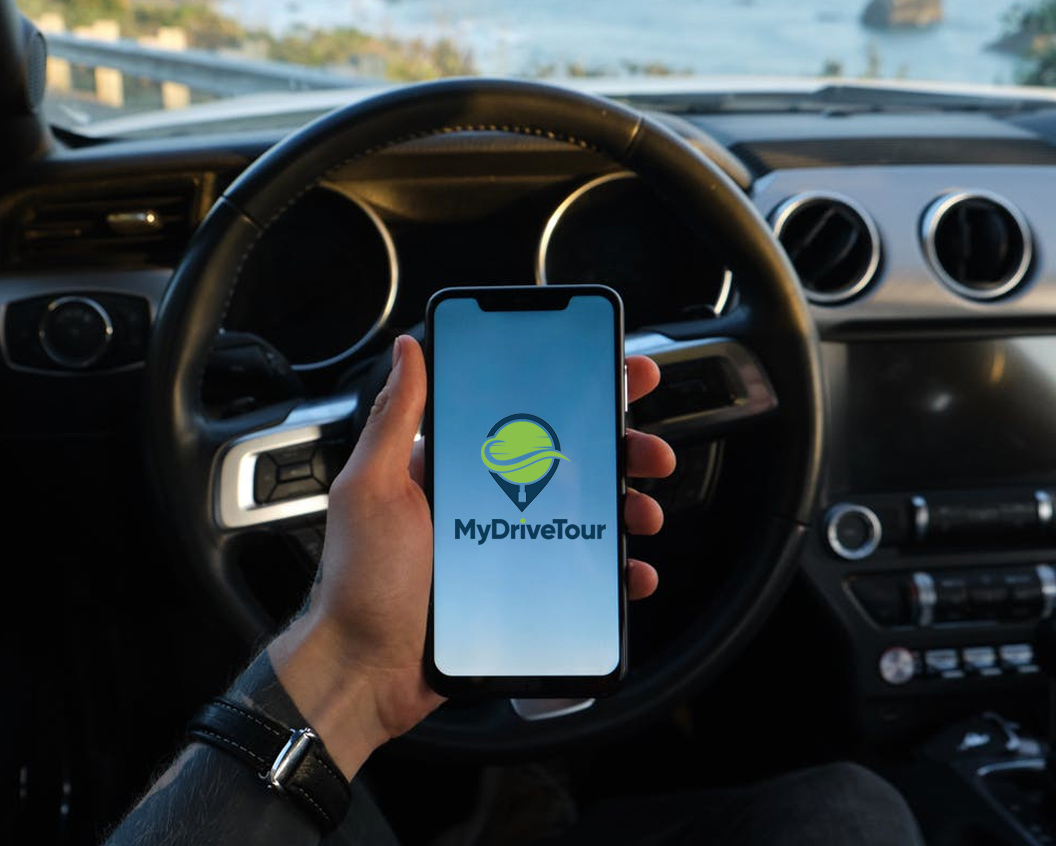
A road sign can point you towards the Cliffs of Moher or Slea Head, but it cannot tell you why a small harbour mattered to generations of local families, where to pause for the best coastal view, or which detour is genuinely worth your time. This Wild Atlantic Way app review looks at what a self-guided touring app should do for independent travellers and whether it can make the route feel less like a checklist and more like a properly guided Irish holiday.
The Wild Atlantic Way runs along Ireland’s western, northern and southern coastline, linking celebrated sights with quiet villages, beaches, islands and headlands. It is an extraordinary route, but it is also long. Trying to plan every stop from scratch can leave you spending too much of the day comparing maps, reading reviews and wondering whether you have driven past something special.
What travellers need from a Wild Atlantic Way app
A useful touring app needs to do more than display pins on a map. Most visitors already have a mapping app on their mobile phone. The real value comes from putting the route in context, helping you decide what suits your day, and sharing the local stories that make a place memorable.
For a self-drive holiday, flexibility is equally important. Weather changes quickly on the west coast, children may need a longer break, and a café in a small town can prove more appealing than another hour behind the wheel. A good app should support your own pace rather than make you feel late for the next stop.
It should also be practical. Clear navigation, manageable daily routes, attraction information and dependable audio all matter when you are travelling in an unfamiliar country. You do not want to be searching for a car park while trying to read a lengthy paragraph on your screen.
Wild Atlantic Way app review: the features that matter
The strongest self-guided Wild Atlantic Way experiences combine route planning with commentary from people who know the region. Professionally researched tours bring the benefit of a guide without requiring you to join a coach group or book a private driver for the entire trip.
Audio that starts at the right moment
Automatic, location-based audio is one of the most useful features for a driving tour. As you approach a point of interest, commentary can begin without a passenger needing to search through menus. That is especially welcome on winding coastal roads, where the driver should keep their attention on the road rather than on a mobile phone.
Good commentary adds more than facts. It explains the landscape, introduces local history and folklore, and helps visitors understand how communities have lived along this dramatic coast. The difference is similar to visiting a landmark with a knowledgeable Irish guide instead of reading a short plaque at the entrance.
Audio is not a replacement for stopping. Rather, it makes the journey between stops part of the experience. A stretch of road near Connemara, Donegal or West Cork becomes more meaningful when you know what you are seeing and why it matters.
Navigation in the map app you already use
An app that exports directions to your preferred mapping app is often easier to use than one that attempts to replace navigation altogether. Travellers are generally familiar with their chosen maps, whether they use it for traffic updates, lane guidance or simply for reassurance on narrow rural roads.
This approach separates two jobs neatly. Your maps provide turn-by-turn directions, while the touring app provides the itinerary, stories and stop-by-stop recommendations. It is a simple arrangement, but it reduces the learning curve at the start of a holiday.
It also helps when you want to alter the order of your day. If you decide to skip a beach because the rain has arrived or linger longer in a colourful town, you can select the next stop that appeals to you and continue from there.
Curated stops, including places you might miss
The famous sights are famous for a reason. The Cliffs of Moher, the Burren, Achill Island, Slieve League and the Dingle Peninsula deserve their place on a first visit. Yet the lasting memories of an Irish road trip are often less obvious: a small viewpoint over an Atlantic bay, an old abbey, a local craft village or a peaceful stretch of coast beyond the main car park.
A carefully curated app can balance both. It should give major attractions their proper place while offering nearby alternatives for travellers who have more time or prefer a quieter experience. This is where guide-led local knowledge is particularly valuable. Not every worthwhile stop has thousands of online reviews, and not every highly photographed location works well for every family or itinerary.
Supplementary attraction details are helpful here. Before committing to a detour, you can check what is available, how long a visit may take and whether it fits the sort of day you want.
Is an app better than a printed route or guidebook?
It depends on how you like to travel. A printed guidebook remains enjoyable for browsing over breakfast or marking up before departure. It is also useful in areas with patchy mobile coverage. However, it cannot react to where you are at that moment, and it is rarely as convenient when you are already driving.
A touring app is particularly effective for travellers who want structure without a strict timetable. You can set off knowing there is a sensible route and expert commentary available, while still choosing your own lunch stop, walk length and overnight destination.
It is not designed to replace the pleasure of spontaneous discovery. Instead, it gives that spontaneity a stronger foundation. You are free to pull over when a view catches your eye, but you also have a trusted guide in your pocket when you want to know what lies around the next bend.
Where self-guided touring apps have limits
No app can guarantee an empty car park at a popular attraction or transform a wet, windy day into clear skies. On the Wild Atlantic Way, conditions can alter the character of a place dramatically. A cliff walk may not suit young children in strong winds, and a remote beach may be better saved for another day.
Travellers should also be realistic about driving times. Coastal roads are scenic because they are not motorways. Allow room for photo stops, sheep on the road, slow-moving traffic and the simple pleasure of taking things slowly. If an itinerary tries to cover too much, even the best commentary can become background noise.
Before setting off, download your selected tour and check your mobile phone is charged. A car charger is a sensible addition for longer days. It is also wise to look at opening times for attractions you particularly want to visit, especially outside the main summer season.
Who will get the most value from a Wild Atlantic Way app?
This format suits couples, families and small groups who are happy to drive but do not want the workload of researching every mile. It is ideal for first-time visitors who want confidence on an unfamiliar route, as well as repeat visitors looking beyond the headline sights.
It can be especially worthwhile when different people in the car want different things. One person may be interested in history, another in coastal scenery, and another in finding a relaxed place for lunch. With flexible stops and short, relevant commentary, the day does not need to revolve around one person’s guidebook research.
MyDriveTour is built around this kind of independent travel, turning the knowledge of qualified Irish tourist guides and chauffeurs into flexible driving and walking tours. The aim is not to hurry visitors through Ireland, but to make it easier to experience more of it with confidence.
The verdict for an independent Irish road trip
A Wild Atlantic Way touring app is worth using when it combines practical navigation with credible local interpretation and the freedom to choose your own stops. The best version feels less like another screen demanding attention and more like a well-prepared companion who knows when to tell a story, when to suggest a detour and when to let the coastline do the talking.
Give yourself fewer destinations than you think you can manage, leave space for the unexpected, and let the road reveal its own favourites along the way.
